The Timeless Journey of the Saree: History, Origin & Evolution
Discover the rich history of saree, from its origins in the Indus Valley Civilization to its evolution into a global fashion icon. This timeless Indian garment has gracefully adapted through centuries, reflecting cultural, artistic, and social shifts. Explore how the saree continues to blend tradition with modern style.
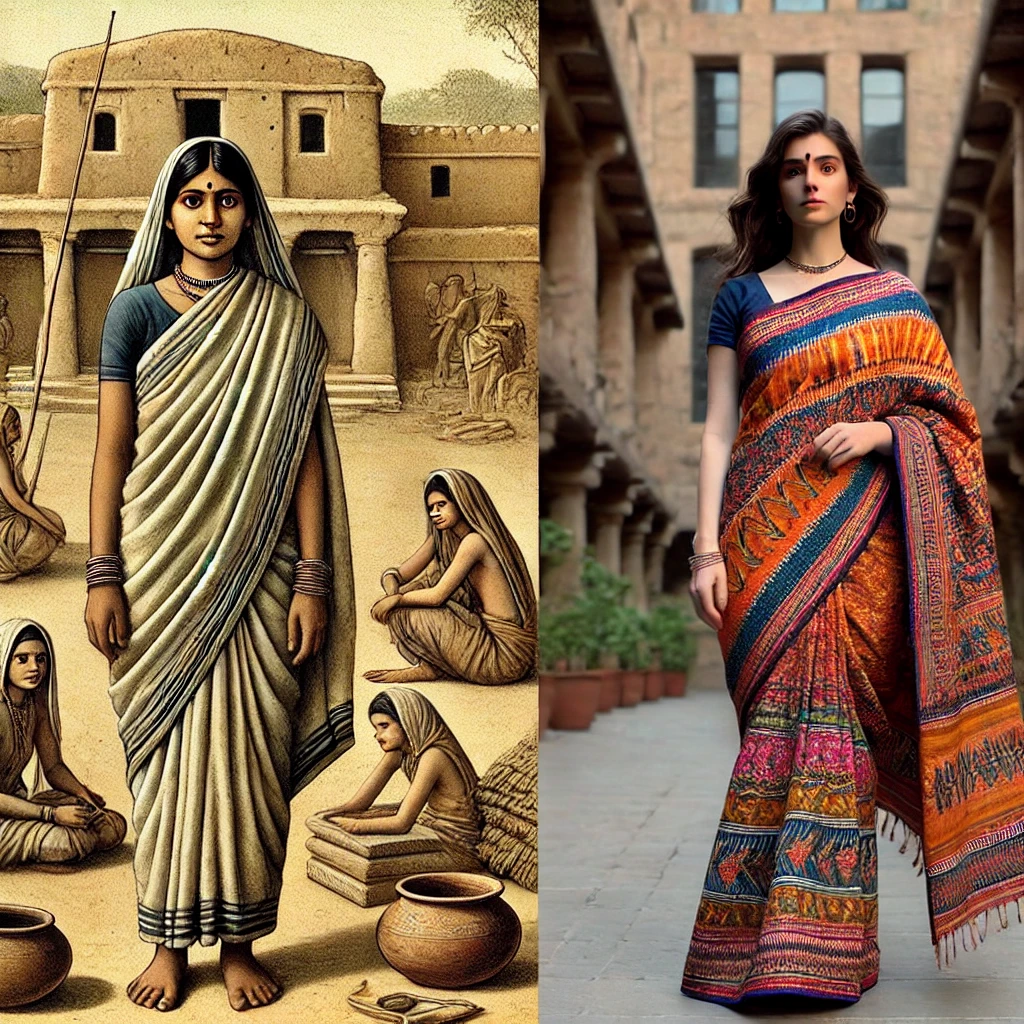
The saree is one of the most iconic and enduring garments in the world. Deeply rooted in the culture, tradition, and heritage of the Indian subcontinent, this traditional Indian attire has evolved over thousands of years. Throughout its journey, the saree has reflected the artistic, social, and economic transformations of each era. In this blog, we will delve into the history of the saree, trace its origin, and explore how it continues to adapt in the modern age.
Origins of the Saree: A Legacy from the Past
The history of the saree dates back over 5,000 years to the Indus Valley Civilization (2800–1800 BCE). Ancient sculptures and frescoes suggest that women draped themselves in unstitched fabric, similar to the modern-day saree. The term “saree” is derived from the Sanskrit word śāṭī, meaning “strip of cloth.”
During this period, cotton was the primary textile used, and natural dyes such as indigo, turmeric, and madder were used to create vibrant colors. The saree was a symbol of modesty and grace, often worn by both men and women in different draping styles. https://www.quora.com/How-many-saree-draping-styles-are-there
Evolution of the Saree Through the Ages
Vedic Period (1500–500 BCE)
During the Vedic era, women wore garments such as the Antariya (lower garment) and Uttariya (upper cloth). These were made of unstitched fabric, emphasizing ease of movement and fluidity. Clearly, the tradition of draping continued to be central to attire.
Gupta Empire (320–550 CE)
Next, during the Gupta period, often called the golden age of Indian culture, sarees became more elaborate. Borders, embroidery, and motifs inspired by nature and mythology were introduced. Additionally, silk became a preferred fabric, especially among royalty and the elite.
Medieval Era (6th–16th Century)
As time progressed, the Mughal and Persian influence brought a fusion of styles. Rich fabrics such as brocade, muslin, and jamdani gained popularity. Moreover, techniques like zari embroidery and detailed floral patterns flourished during this period, especially in royal courts.
British Colonial Era (18th–20th Century)
With the advent of British rule, Western styles began influencing Indian fashion. As a result, blouses and petticoats were introduced, making sarees more formal and suitable for professional settings. During the Bengal Renaissance, the saree became a symbol of female empowerment, worn proudly by women reformers such as Sarojini Naidu and Rani Lakshmibai.
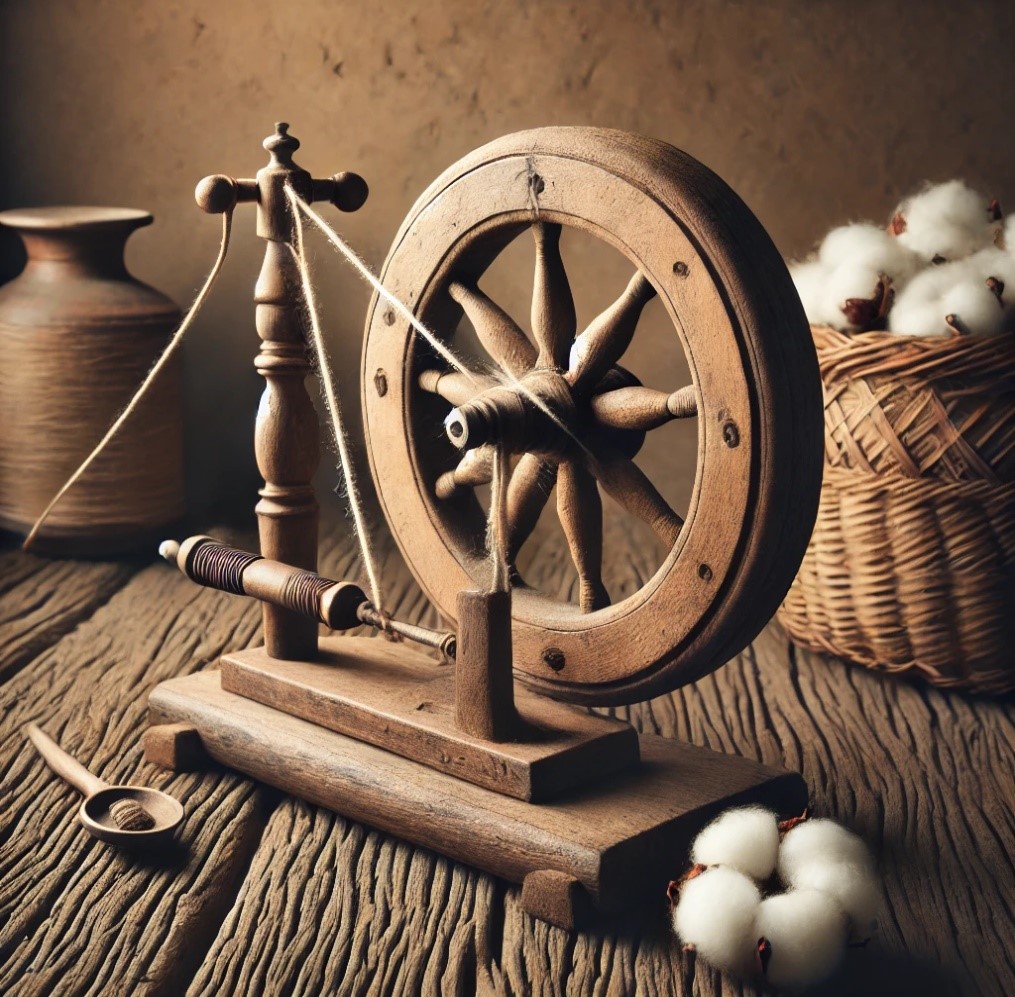
However, colonial policies also disrupted local textile industries. In response, the Swadeshi Movement led by Mahatma Gandhi promoted Khadi sarees, handmade on the Charkha, reviving the Indian handloom tradition.
The Modern Saree: Fusion of Tradition and Contemporary Fashion
Today, the saree has successfully bridged the gap between tradition and contemporary fashion. Designers are blending traditional Indian weaves with modern silhouettes, giving rise to pre-stitched sarees, lighter fabrics, and innovative draping styles. If you’re looking to explore unique and elegant sarees that blend tradition with modern trends, browse our curated collection on the Shop page.
Moreover, Bollywood celebrities and fashion icons have helped make sarees popular on global runways and red carpets. Whether it’s a wedding or a work event, there’s a saree for every occasion.
Popular Saree Types Across India
India’s diverse cultural heritage is beautifully reflected in the variety of sarees across different regions. Some of the most celebrated types include:
- Banarasi Saree (Uttar Pradesh) – Known for intricate gold and silver zari work.
- Kanjeevaram Saree (Tamil Nadu) – Crafted from pure mulberry silk with vibrant colors and temple motifs.
- Paithani Saree (Maharashtra) – Famous for peacock motifs and rich silk texture.
- Chanderi Saree (Madhya Pradesh) – Lightweight and sheer, perfect for summer.
- Bandhani Saree (Gujarat & Rajasthan) – Featuring tie-and-dye patterns in bright colors.
- Sambalpuri Saree (Odisha) – Known for its ikat weaving technique and unique motifs.
Each of these sarees tells a story and represents the rich textile heritage of India.
Why the Saree Remains Timeless
Despite changing fashion trends, the saree remains irreplaceable. Here’s why:
- Versatility: Whether worn casually, at weddings, or formal events, sarees suit every setting.
- Sustainability: Handwoven and eco-friendly sarees promote sustainable and slow fashion.
- Cultural Identity: For many, the saree is not just clothing — it’s a symbol of cultural pride and heritage.
Final Thoughts
To sum up, the saree is more than just a garment. It is a timeless tradition, a symbol of femininity, and a representation of India’s artistic spirit. From its ancient origins to its place on global fashion runways, the saree continues to evolve — yet never loses its soul. The history of saree reflects the incredible journey of India’s textile and cultural traditions, woven together through time.
Are you a saree enthusiast? 💬
Share your favorite saree style or draping technique in the comments below!
I believe you have noted some very interesting points, appreciate it for the post.