
Tussar Silk Sarees: Elegance, Tradition & Luxury in One Weave
Tussar Silk, India's golden fabric, is known for its rich texture, durability, and elegance. Discover its history, craftsmanship, and cultural significance.
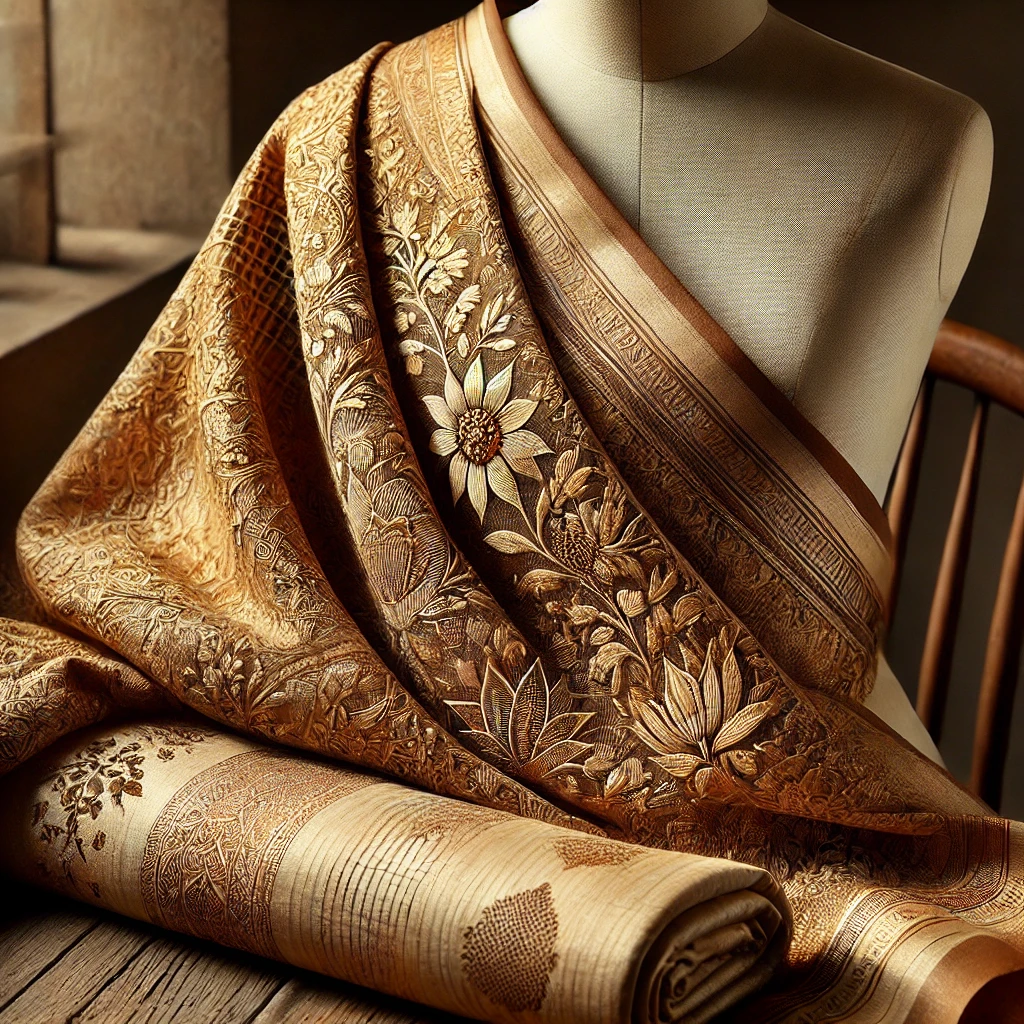
Tussar (Tassar) silk sarees are luxurious handwoven textiles crafted from silk produced by silkworms that feed on wild forest trees. Known for their natural golden sheen, rich texture, and lightweight feel, Tussar silk sarees are highly valued for their elegance and tradition. These sarees, mainly produced in Jharkhand, Bihar, Chhattisgarh, Madhya Pradesh, and West Bengal, are a perfect choice for festive and formal occasions.
Explore our latest collection of authentic Tussar Silk Sarees and embrace timeless beauty!
Explore the official Silk Mark website to verify authentic Tussar Silk Sarees.
The Rich History of Tussar Silk in India
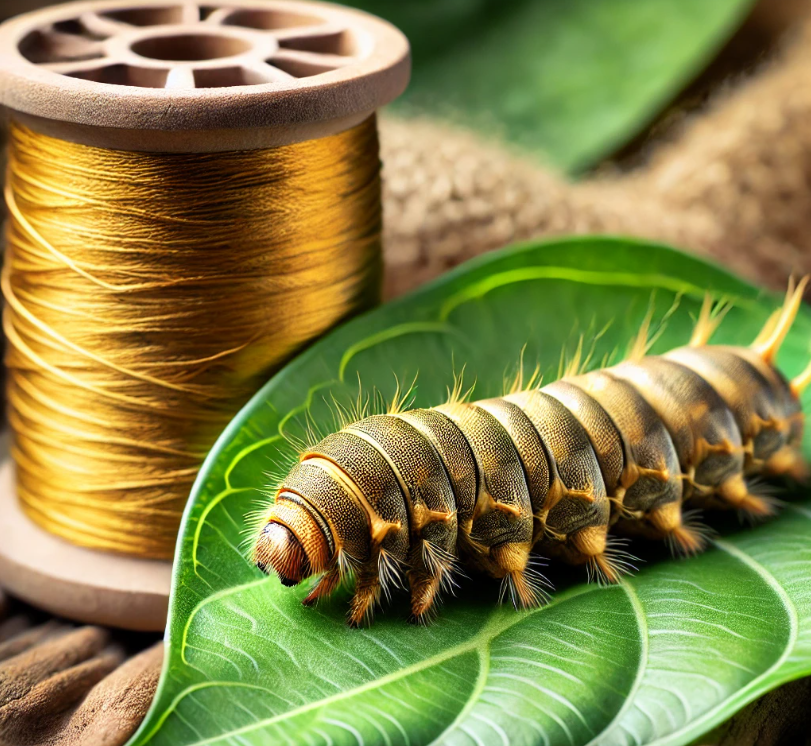
Tussar silk has a legacy that spans thousands of years. It originated in India and parts of China. Unlike mulberry silk, wild silk moths, mainly Antheraea mylitta, produce this fabric as they thrive in forests.
Ancient Beginnings
Tassar silk production began in India around 2000 BC. Evidence of silk use appears in the Indus Valley Civilization. Because of its luxurious texture and golden sheen, it became a prized possession among royalty and nobility.
How Tussar Silk Evolved in India’s Textile Industry
Over time, Tassar silk weaving flourished in Bihar, Jharkhand, Chhattisgarh, Madhya Pradesh, and West Bengal. As a result, tribal communities perfected the art of silkworm rearing and fabric weaving. Consequently, they created sarees, shawls, and handcrafted textiles with unique regional patterns.
Learn more about the history of silk in India from the Silk Industry Welfare Committee.
Cultural and Economic Significance of Tussar Silk
Even today, Tassar silk plays a crucial role in India’s heritage. Skilled artisans continue using traditional weaving techniques, ensuring the fabric retains its authentic charm. Furthermore, its production sustains rural economies by providing jobs to tribal silk farmers and weavers.
To protect its legacy, the Government of India introduced Geographical Indication (GI) tagging. This certification not only guarantees authenticity but also safeguards indigenous craftsmanship. Because of these efforts, Tassar silk remains a symbol of tradition, elegance, and eco-friendly textile production.
Read about GI tagging of Indian textiles on the official Government of India website.
Art Tussar: A Modern Touch to Tradition
Art Tassar offers a refined version of Tassar silk. By using innovative techniques, it replicates the rich texture and sheen of pure Tassar. As a result, this fabric provides a luxurious yet affordable alternative. Moreover, by blending tradition with modern artistry, Art Tassar offers a stylish choice for contemporary fashion lovers.