The Timeless Elegance of Sarees: Types, Materials, and More
Discover the elegance of sarees—explore types, materials, and styling tips to find the perfect saree for every occasion.
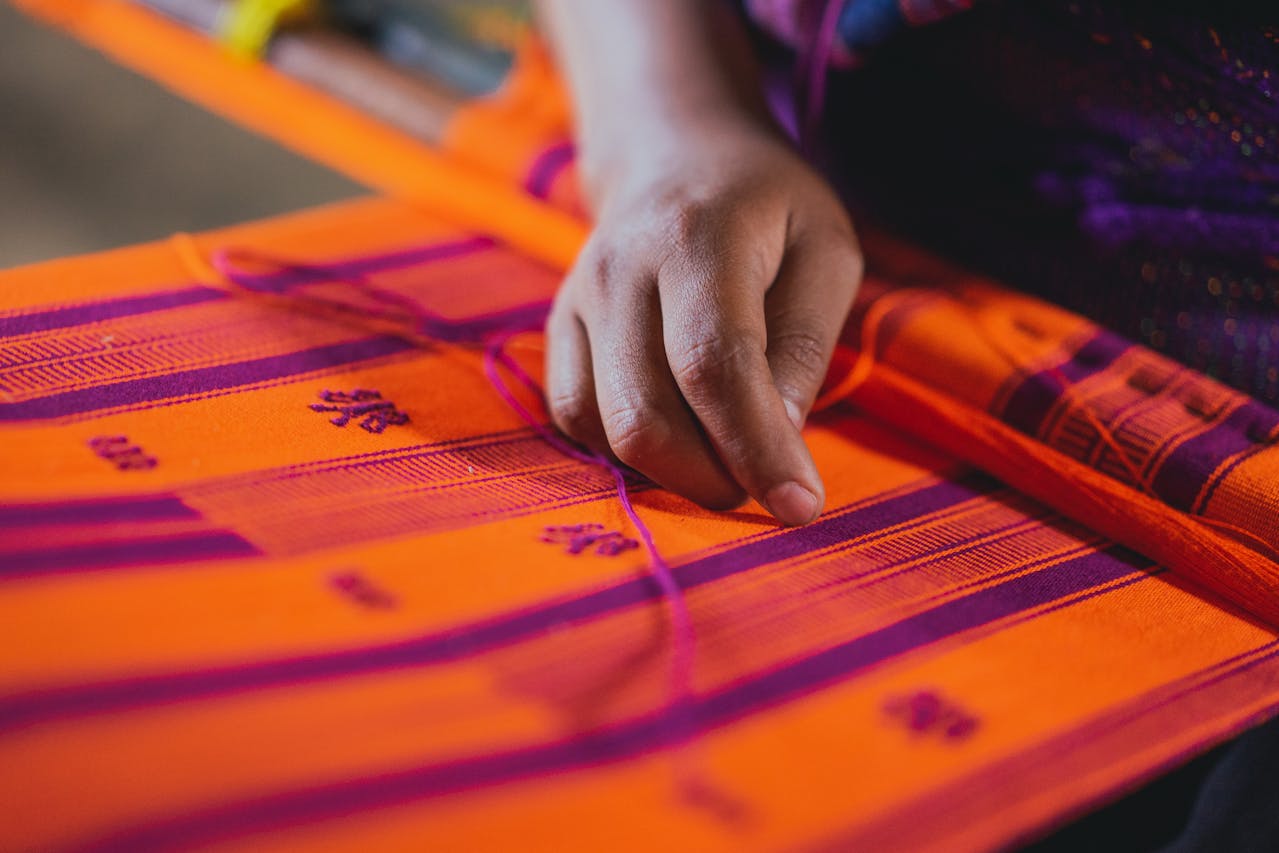
Sarees are not just garments; they are a symbol of grace, tradition, and timeless beauty. Learn more about the history of sarees and their cultural significance. Worn by women across generations, sarees have evolved while retaining their cultural essence. Whether it’s a festive occasion, a wedding, or casual wear, sarees offer versatility like no other attire. Explore our exclusive saree collection here to find the perfect piece for every occasion. In this blog, we’ll explore the different types of sarees, their materials, and what makes each unique.
1. Types of Sarees
✨ Banarasi Saree
Originating from Varanasi, Banarasi sarees are known for their rich silk fabric and intricate brocade work, often woven with gold or silver threads. Ideal for weddings and festive occasions.
✨ Kanjivaram Saree
A pride of South India, Kanjivaram sarees are famous for their vibrant colors, contrasting borders, and lustrous silk texture. The heavy zari work makes them perfect for traditional ceremonies.
✨ Chiffon Saree
Lightweight and elegant, chiffon sarees are perfect for casual and formal events. They drape beautifully, highlighting the silhouette gracefully.
✨ Georgette Saree
Known for its flowy texture, georgette sarees are easy to wear and maintain. They often come with beautiful prints and minimal embroidery, making them a favorite for office wear.
✨ Dhakai Jamdani Saree
Originating from Bengal, Dhakai Jamdani sarees are woven with fine cotton threads and feature intricate floral or geometric patterns. They are lightweight and ideal for summer wear.
✨ Paithani Saree
A traditional Maharashtrian saree, Paithani is woven with fine silk and pure gold zari. The peacock and lotus motifs are its hallmark, exuding regal charm.
✨ Muga Silk Saree
Exclusive to Assam, Muga silk sarees are known for their natural golden sheen and durability. They are often adorned with intricate traditional motifs.
Interested in these beautiful styles? Shop our stunning saree collection to experience these traditional designs firsthand.
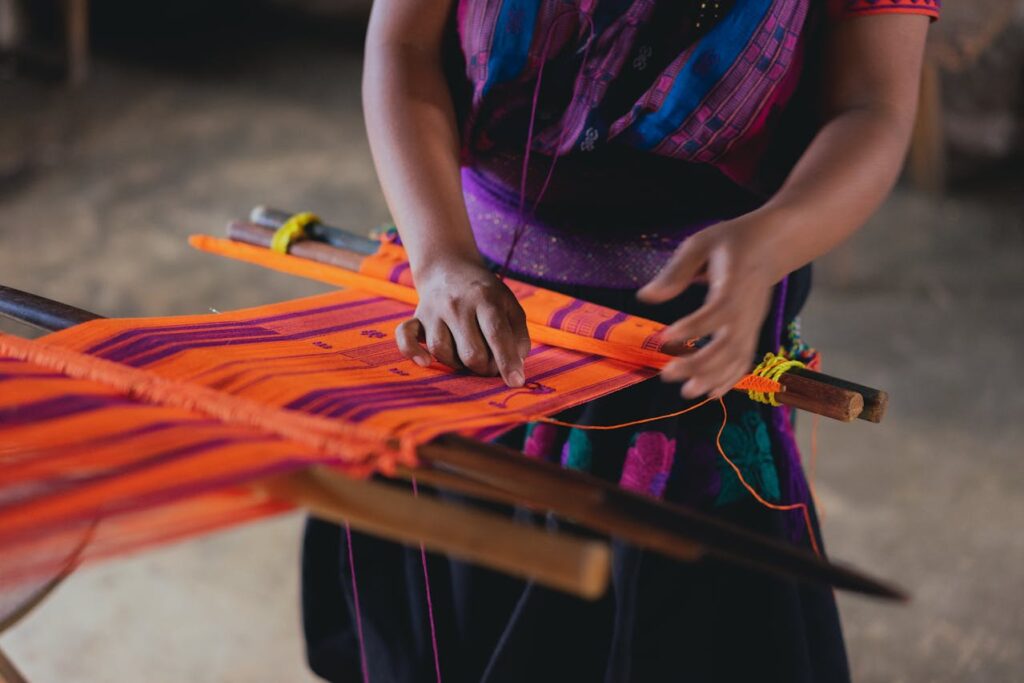
2. Popular Saree Materials
- Silk: Luxurious and glossy, perfect for weddings and festivals.
- Cotton: Breathable and comfortable, ideal for daily wear.
- Chiffon: Lightweight and flowy, great for parties and gatherings.
- Georgette: Soft and slightly crinkled texture, easy to drape.
- Tussar Silk: Known for its rich texture and natural gold color. Discover more about Tussar silk weaving traditions.
- Crepe: A soft, wrinkle-free fabric with a unique drape.
3. How to Choose the Right Saree
- Occasion: Opt for silk or heavily embroidered sarees for weddings. For casual outings, cotton or chiffon sarees are ideal.
- Body Type: Georgette and chiffon sarees suit all body types, while heavy silks enhance a slimmer frame.
- Climate: Choose cotton sarees in hot climates and silk for colder seasons.
4. Caring for Your Sarees
- Silk Sarees: Dry clean only; store with muslin cloth.
- Cotton Sarees: Hand wash separately; avoid direct sunlight.
- Chiffon/Georgette: Gentle hand wash; avoid wringing.
Final Thoughts
Sarees are more than just six yards of fabric; they are a canvas of culture, art, and tradition. Whether you’re new to wearing sarees or a seasoned enthusiast, there’s always something new to discover in the world of sarees. Embrace the elegance, experiment with drapes, and let your saree tell a story of its own.
Ready to explore our stunning saree collection? Visit our store today and find the perfect saree that resonates with your style!