
From Cocoon to Classic: The Making of a Handwoven Silk Saree
From the delicate cocoons of silkworms to the grandeur of a handwoven masterpiece, the journey of a silk saree is a tale of tradition, craftsmanship, and elegance. Discover the intricate process of sericulture, dyeing, and weaving that transforms raw silk into a timeless fashion statement. Explore the artistry behind each thread and embrace the legacy of handwoven silk sarees.
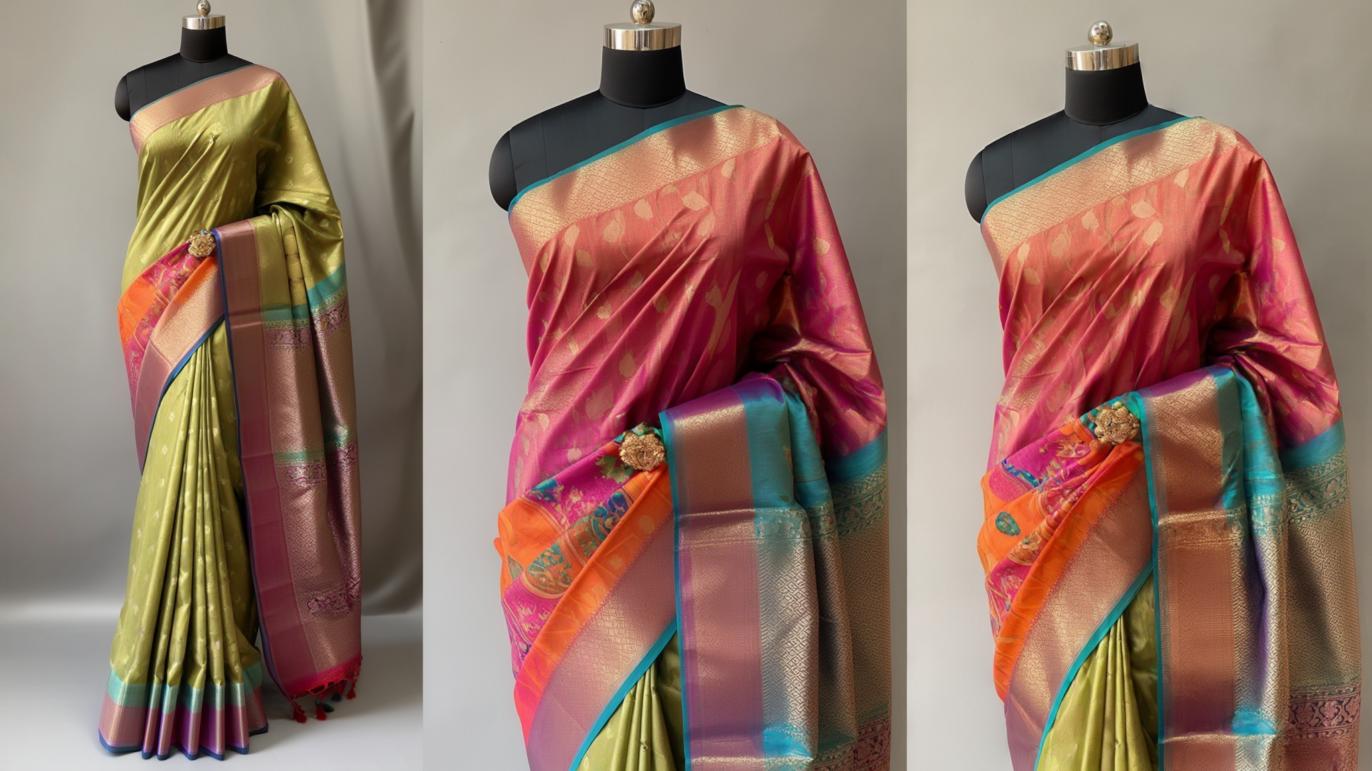
Silk sarees have been an integral part of Indian heritage for centuries. Their luxurious texture, vibrant hues, and intricate craftsmanship make them a timeless fashion statement. But have you ever wondered how a handwoven silk saree transforms from a cocoon into a masterpiece draped in elegance? Let’s explore the journey of a silk saree and discover the artistry behind it.
1. The Birth of Silk: Sericulture
The journey of a silk saree begins with sericulture, which refers to the process of cultivating silkworms to produce silk fibers. The most common silk-producing species is the Bombyx mori moth. During this stage, silkworms feed on mulberry leaves and spin cocoons, which contain raw silk fibers. Eventually, these cocoons become the foundation of a stunning silk saree.
Fun Fact:
Did you know that it takes around 2,500 silkworms to produce just one silk saree? Clearly, this highlights the immense effort involved in silk production.
2. Extracting the Silk Threads
Once the silkworms complete their metamorphosis, their cocoons are carefully collected. The process of reeling then begins, where the delicate silk fibers are unwound from the cocoon. After that, these fibers are cleaned, treated, and spun into fine silk threads. The quality of silk depends on various factors like texture, shine, and durability, ensuring that each saree meets high standards.
3. Dyeing the Silk
After extraction, the silk yarns undergo a vibrant transformation through dyeing. Artisans use both natural and synthetic dyes to achieve rich colors that make silk sarees visually stunning. Moreover, traditional techniques like tie-dye and hand-painting enhance the uniqueness of each saree, making them truly one-of-a-kind.
External Resource:
Learn more about the history of silk in India
4. The Art of Weaving
The heart of a silk saree lies in its weaving process. At this stage, skilled artisans use handlooms to weave the dyed silk threads into intricate patterns. Depending on the design, this process can take anywhere from a few days to several months.
In fact, different weaving styles add diversity and elegance to silk sarees. Some popular styles include:
- Banarasi Silk: Known for intricate zari work and Mughal-inspired motifs.
- Kanjivaram Silk: Famous for its bold colors and temple border designs.
- Tussar Silk: Lightweight and known for its natural golden sheen.
5. Adding the Final Touches
Once the weaving is complete, the saree undergoes finishing processes, including:
- Embellishments such as zari work, embroidery, or sequins to enhance its beauty.
- Softening and polishing to improve texture and shine.
- Quality checks to ensure perfection before reaching customers.
6. From Artisan to Consumer: The Retail Journey
After meticulous craftsmanship, the final step is bringing the handwoven silk saree to fashion enthusiasts worldwide. Today, these sarees reach showrooms, online platforms, and designer boutiques, allowing saree lovers to choose from a wide array of stunning collections. Furthermore, the convenience of online shopping makes it easier than ever to find the perfect silk saree.
Explore our exclusive collection of handwoven silk sarees and discover exquisite designs.
Why Choose Handwoven Silk Sarees?
Handwoven silk sarees are not just garments; they are pieces of art that carry cultural significance and craftsmanship. By choosing a handwoven saree, you are supporting local artisans and preserving traditional weaving techniques. As a result, this ancient craft continues to thrive.
Key Benefits:
- Sustainable Fashion: Eco-friendly and ethically made, contributing to a greener planet.
- Unique Craftsmanship: No two sarees are the same, adding exclusivity to every piece.
- Timeless Elegance: Perfect for weddings, festivals, and celebrations, making them a cherished wardrobe essential.
Conclusion
From the humble silkworm cocoon to the grandeur of a handwoven silk saree, the journey is filled with dedication, artistry, and passion. Every silk saree you wear carries the legacy of skilled artisans who breathe life into threads, weaving stories into every drape. Therefore, owning a handwoven silk saree is not just about fashion; it’s about embracing heritage and craftsmanship.
Ready to own a masterpiece? Browse our latest silk saree collection today! and experience the beauty of tradition!